Why LinkedIn Is a Powerful Platform for Lead Generation
LinkedIn is where B2B buyers and sellers meet, so it has become a key place to find new prospects. A B2B Marketing report from Wpromote found that 89% of B2B marketers rely on LinkedIn, and 62% say it brings them leads, more than double the next social channel.
That matters because most B2B teams cannot afford to waste time on the wrong audience. With strong professional filters, using LinkedIn for lead generation lets you target by role, sector, and seniority, then track performance with clear analytics.
If you want a reliable flow of qualified leads and clear reporting, our lead generation services can help.
How LinkedIn Fits Into the Modern B2B Buyer’s Journey
The B2B buying journey is not as simple as it once was. Now it takes longer, and many buyers do their own research before they speak to the sales team. Decisions now involve multiple stakeholders, often across departments such as IT, finance, and HR, all of whom can influence the final choice
That is where LinkedIn earns its place. You can share useful insights, join relevant conversations, and build familiarity with different teams inside the same account. The best LinkedIn lead generation strategies build trust over time, so you stay visible until the account is ready to speak and take the next step.
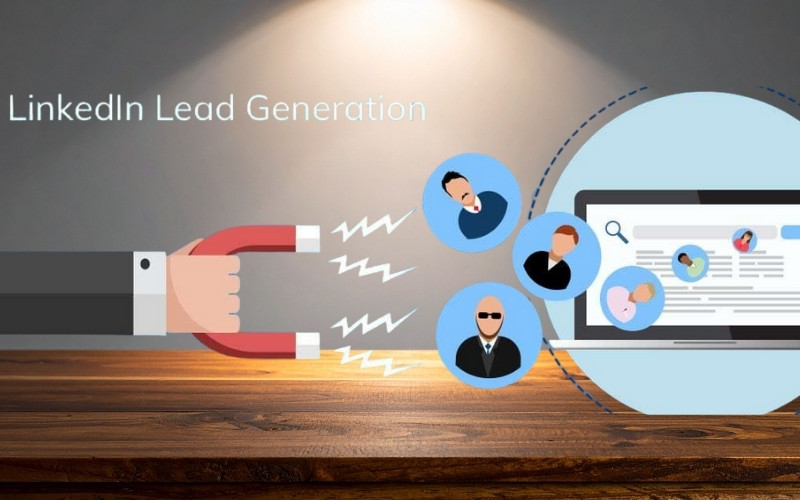
LinkedIn as a Strategic Partner for B2B Growth
LinkedIn works best when you treat it as a long-term growth partner, not a place for quick wins. It brings together decision-makers, influencers, and industry peers in one space, so you can see what buyers are discussing and what they care about right now. You can spot what matters to your market by watching the topics people follow, share, and comment on.
With clear targeting options and measurable campaigns, lead generation LinkedIn becomes more predictable and easier to report on. You can test messages, target key roles in priority accounts, and track which messages move prospects forward, from a click to a conversation.
It also helps marketing and sales teams work as one team. When the marketing team shares useful content, and the sales team follows up with thoughtful outreach, lead generation using LinkedIn becomes a genuine conversation.
Building Connections That Drive Lead Generation on LinkedIn
What is LinkedIn lead generation? Building strong connections on LinkedIn starts with the people you already know. Begin with current and former contacts where there is still trust, even if you have not spoken in a while. A quick search can help you find colleagues, past clients, and industry friends, and then you can send a friendly message that offers help or shares something useful.
Keep adding new contacts in a simple, consistent way. If you receive a business card after a meeting or event, look the person up and send a connection request while the conversation is still fresh in their mind. If you are new to LinkedIn, you can also import contacts from email services like Gmail or Outlook, then choose the people you genuinely want to reconnect with.
It also helps you bring your professional connections into one central, visible network. Invite people you already know on other platforms to connect with you on LinkedIn so that your profile reflects genuine connections. When you have a stronger network, you can meet new people through mutual friends and personal introductions. People tend to respond better when you share a connection, compared with a message from a stranger.
Do not ignore profile views; they can be a useful signal. Even if they do not message you first, they may be interested in what you do after viewing your profile. Lead generation through LinkedIn becomes easier when you use the email alert or the Who viewed your profile section to spot people who may be curious about what you do. Then send a short, polite message to start a conversation.
How Joining Relevant LinkedIn Groups Helps Generate Qualified Leads
How to generate leads on LinkedIn? Joining the right LinkedIn Groups can strengthen your personal brand and place you in front of the people who matter. Use Advanced Search to find professionals in your company and across your industry, then look for groups where they are active. This helps you see which topics keep coming up and what language people use to describe their challenges.
Spend time listening before you post. By following daily conversations, you gain clear insight into new problems, shifting priorities, and gaps in current solutions. When you respond with practical advice and share helpful resources, using LinkedIn for lead generation becomes more natural, and leads are more likely to be well-matched to what you offer.
Sharing Valuable Content in Groups to Attract Potential Leads
How to use LinkedIn for lead generation? Before you share anything in a LinkedIn Group, take a moment to read the group rules. Some groups welcome links and resources, while others prefer discussion only. When sharing is allowed, choose content that fits the group’s focus and answers a real question people are asking.
Share resources that help members do their work better. This could include a relevant blog post, a short paper you have published, a mention where someone has quoted your work, or notes from a webinar. Keep your tone respectful and join the conversation rather than trying to steer it.
The goal is to be useful, not to sell. If your posts add value and you let others have space to speak, people start to see you as a trusted voice. Over time, that credibility can turn into new enquiries without you needing to push a pitch.
Positioning Yourself as an Expert Through Group Discussions
LinkedIn Groups are built for discussion, and many members use them to ask questions and compare ideas. Set aside a few minutes each day to reply to two or three posts, or to start one useful thread of your own. Focus on questions that match your experience or that you genuinely find interesting.
When you respond, write for the people with buying power who may be watching the discussion. Give a clear answer, explain your thinking, and add a practical next step where it fits. Even if the person who asked never replies, others will read your comment. That is how you build trust and plant a quiet seed for future conversations.
Should You Create Your Own LinkedIn Group for Lead Generation?
How to use LinkedIn to generate leads with your own group? Creating your own LinkedIn Group can be effective, but only if you are prepared to lead it with care. As the owner, you have the option of keeping it small and inviting only people you know, or you can invite a larger group. In any case, the group requires a clear purpose to ensure that members believe it is worthwhile to devote their time.
A strong group is built on engagement, not quantity. Your role is to facilitate discussions, share useful ideas, and create a welcoming environment for others to contribute. When people see how you manage and contribute to the group, it adds credibility and strengthens your reputation in the market.
Use the group to share business insights, practical observations, and stories that help members learn. Interviews and short expert discussions can also add value and spark regular conversation. Over time, this steady contribution can help people see you as a credible expert, which supports lead generation in a natural way.
Using Warm Outreach Strategies to Convert LinkedIn Connections into Leads
Warm outreach on LinkedIn works because it starts with a connection, not an interruption. A message from someone in your network, or someone who shares a mutual group or association, feels more trusted than a cold call. You are not an outsider pushing an offer; you are a professional reaching out with context.
LinkedIn messages can also outperform cold emails because the platform is built for business conversations. Before you write, review the person’s profile and look for real points of overlap, such as shared interests, recent posts, or a challenge they mention in their role. Then open with a short, friendly note that shows you paid attention and that you have a reason to reach out.
It is important to connect before you try to sell. A connection gives you common ground and lowers the social barrier, which can affect how your message is received. One study found that 87 percent of B2B customers had a favourable view of a salesperson when they were connected. Use that advantage to start a conversation, ask a simple question, and only suggest a call when it is clearly helpful.
How a High-Converting LinkedIn Profile Supports Lead Generation
A high-converting LinkedIn profile makes lead generation easier because it removes doubt. When someone searches your name after a message or a referral, your profile is often the first place they check. If it is unclear what you do, or it looks unfinished, people may move on, and you will never know.
Set aside time to refine the parts people read first. Your headline and About section should explain who you help, what you solve, and the results you are known for, using clear and simple language. A complete, well-written profile also shows care and professionalism, which can increase trust before you ever speak.
There is also a practical benefit to finishing the basics. Some research suggests that people with fully completed profiles are far more likely to receive inbound enquiries. To strengthen your profile even further, publish helpful articles and share useful resources, such as short guides, presentations, or research reports. These give people a reason to follow you, connect, and start a conversation.
Re-Engaging Past Clients on LinkedIn to Unlock New Opportunities
Re-engaging past clients on LinkedIn can feel easier than reaching out to someone new. You can quickly catch up by looking at their latest updates, such as new projects, job moves, or company news, before you reach out. This allows you to restart contact in a natural way.
When you message them, start with something you have noticed about their recent work. A simple, genuine comment indicates that you remember the relationship and are paying attention. From there, you can enquire about new projects and offer assistance, potentially leading to future collaborations.
Finding the Right Prospects Using LinkedIn Advanced Search Filters
LinkedIn Advanced Search helps you find the right people without wasting time on vague results. If you use LinkedIn Premium, you can filter by company, location, and how you are connected to someone. You can also narrow it down by job role, seniority, and company size, so you end up with a shortlist that actually fits your target market.
Once you have that list, outreach feels simpler and more focused. With InMail, you can send a direct message even if you do not share a connection.
Evaluating Individual LinkedIn Profiles to Identify Sales-Ready Leads
Before you contact a prospect, take a few minutes to carefully review their LinkedIn profile. Take a look at what they post and comment on; this often reveals what they are currently interested in. You may also notice events that they follow or intend to attend, which can provide you with a timely opportunity to strike up a conversation.
Their work history can also be useful. Past roles and industries can hint at the problems they know well and the areas they may care about most. This helps you decide whether they are a good fit before you send a message.
When you do this first, your message feels more personal and less like it was copied and pasted. You can bring up a post they shared, a project they are working on, or a shared interest, and then ask a simple question related to that. This small effort often results in more responses and more useful conversations.
How LinkedIn Advertising Can Accelerate Lead Generation Results
LinkedIn lead generation ads can help you generate leads faster because they put your message in front of people who are not in your network yet. An active organic presence still matters, but paid promotion can bring new, relevant audiences into your pipeline. This is useful when you want faster reach without relying only on connection requests and daily posts.
Sponsored content is one of the most effective options. It places your posts in the feed of selected professionals who do not follow you yet, so you can earn attention from new prospects. This can create a steady flow of new conversations when the offer and message are clear.
LinkedIn also stands out for its targeting. You can narrow audiences by role, seniority, company, industry, and location, so your ads go to the people most likely to care. That focus is usually better than showing ads to a lot of people who may never need what you sell.
Why Ongoing LinkedIn Optimisation Is Critical for Lead Generation Success
Ongoing LinkedIn optimisation matters because search does not only happen on Google. People also search on LinkedIn to find suppliers, experts, and trusted partners. If your profile and company page are not kept up to date, you may miss searches that could have brought you new leads.
Optimisation increases the chances that your name or brand appears when people search for relevant services on LinkedIn. Start by choosing the keywords your ideal clients would type, based on their common questions and needs. Then incorporate those terms into natural places, such as your headline, About section, and experience, as well as more specific long-tail phrases to attract better-fit prospects.
If you require assistance with this process, our sales consultancy service can help.